
Japanese aesthetics, renowned for their harmony and tranquility, are poised to transform the stress relief market. This meticulously researched exploration delves into the nuanced design principles underpinning a Japanese stress relief spray, from the meticulous color palettes to the evocative symbolism of traditional motifs. Understanding this aesthetic is crucial for crafting a product that resonates with its target audience, promising a truly immersive and restorative experience.
The aesthetic, deeply rooted in Japanese culture, emphasizes natural elements, calming colors, and symbolic imagery to create a soothing sensory experience. This goes beyond mere visual appeal; it’s about tapping into a rich cultural heritage to create a product that transcends the ordinary and fosters a sense of calm.
Defining the Aesthetic
Japanese stress relief sprays, tapping into a burgeoning market, often evoke a sense of serene tranquility. This aesthetic draws on traditional Japanese design principles, blending practicality with a deep appreciation for nature and cultural heritage. The goal is to foster a calming and restorative experience through visual appeal and sensory engagement.This aesthetic is characterized by a meticulous attention to detail, a focus on natural elements, and a minimalist approach to design.
The colors and imagery are chosen to evoke feelings of peace, harmony, and well-being. The materials and textures are carefully selected for their tactile qualities, further enhancing the calming effect. This aesthetic speaks to a growing desire for mindful self-care, emphasizing the importance of sensory experiences in reducing stress and promoting relaxation.
Color Palettes and Imagery
The color palettes in Japanese stress relief sprays are typically soft and muted, drawing inspiration from nature. Subtle shades of green, blue, and beige are frequently employed, evoking images of tranquil landscapes and serene environments. The use of earthy tones like browns and creams, as well as delicate pastels, further enhances the calming atmosphere. Imagery often incorporates elements of Japanese gardens, blooming flowers, and serene water features.
These visual cues contribute to a sense of peace and tranquility.
Materials and Textures
The materials used in stress relief sprays are carefully selected for their tactile qualities. Smooth, polished surfaces are often preferred to create a feeling of serenity. Natural materials like bamboo, wood, and silk are frequently incorporated, bringing the tranquility of nature directly into the product. The texture of the spray itself can also be a key element, with a smooth and gentle application enhancing the relaxing experience.
Cultural Influences and Historical Context
The aesthetic draws heavily from Japanese principles of
- wabi-sabi*, emphasizing the beauty of imperfection and the acceptance of natural processes. This philosophy is deeply ingrained in Japanese culture and is reflected in the design of gardens, architecture, and everyday objects. The aesthetic also draws inspiration from traditional Japanese art forms like
- ukiyo-e* (woodblock prints) and
- sumie* (ink painting), showcasing delicate brushstrokes and serene landscapes. This aesthetic is a contemporary expression of enduring Japanese values.
Key Visual Elements
| Category | Specific Colors | Patterns | Symbols |
|---|---|---|---|
| Nature | Soft greens, blues, beige, browns, creams, pastels | Floral patterns, flowing lines, gentle curves, water ripples | Bamboo, cherry blossoms, koi fish, cranes, water features, serene landscapes |
| Calmness | Muted tones, subtle color gradations | Simple, symmetrical designs, repetitive patterns | Japanese calligraphy, zen gardens, clouds, mountains |
This table Artikels the key visual elements commonly used in Japanese stress relief sprays, drawing inspiration from nature and traditional Japanese aesthetics. The colors, patterns, and symbols work together to evoke feelings of serenity and well-being.
Product Design Considerations
A stress relief spray, particularly one targeting the Japanese aesthetic, demands meticulous consideration of form and function. The design must not only offer tangible relief but also resonate with the deep-seated cultural values emphasizing harmony and tranquility. This involves careful attention to the physical interaction with the product, the sensory experience it provides, and the overall message conveyed through its presentation.The design process should be guided by a clear understanding of the target demographic and their expectations for stress relief products.
Japanese consumers, often known for their appreciation of minimalist design and high-quality craftsmanship, will likely gravitate toward a product that reflects these principles. The design must be both functional and aesthetically pleasing, creating a positive emotional response that aids in the stress-reduction process.
Form Factor and Size
The ideal form factor for a stress relief spray should prioritize ergonomics and ease of use. A compact, lightweight design, perhaps resembling a small, elegant perfume bottle, would align well with the Japanese aesthetic’s preference for understated elegance. The size should be easily manageable for discreet application and portability, potentially fitting comfortably in a pocket or handbag. The spray nozzle should be designed for precise targeting, avoiding wasteful over-spray and promoting a controlled application experience.
Packaging Design
Packaging plays a critical role in enhancing the stress relief experience. The aesthetic should reflect the tranquility and serenity associated with Japanese design principles. This includes the use of muted colors, natural materials like bamboo or wood grain textures, and minimalist imagery that evokes a sense of calm. Japanese aesthetics often utilize a delicate balance of negative and positive space, creating visual harmony.
High-quality materials and meticulous attention to detail in the packaging design will enhance the overall perceived value of the product.
Scent and Aromatherapy
Scent is a powerful sensory tool that can significantly impact the stress relief experience. The selection of essential oils should be carefully considered, prioritizing scents known for their calming and restorative properties. Examples include lavender, chamomile, and sandalwood, which are traditionally valued for their soothing effects. The scent profile should complement the overall design aesthetic, ensuring a cohesive and harmonious experience for the user.
Furthermore, the scent strength should be carefully calibrated to avoid overwhelming or irritating the user, creating a balanced and comfortable sensory experience.
Packaging Materials
The choice of packaging materials can greatly impact the visual appeal and perceived quality of the product. Materials like sustainably sourced bamboo or recycled paper could resonate strongly with environmentally conscious consumers, aligning with the growing demand for eco-friendly options. Transparent or semi-transparent materials can highlight the product’s design and the calming hues of the product. The visual appeal should be refined and understated, reflecting a sense of purity and simplicity.
Avoid materials that are too glossy or overly vibrant, ensuring the focus remains on the product’s core function.
Target Audience Analysis
Japanese stress relief sprays, with their meticulously crafted aesthetic, cater to a specific demographic seeking a blend of relaxation and sophisticated self-care. This segment prioritizes experiences that reflect a commitment to well-being, often integrated with a refined aesthetic. Understanding their motivations and needs is crucial for effective marketing.
Ideal Customer Profile
This target audience encompasses young professionals and affluent individuals aged 25-45, residing primarily in urban centers like Tokyo, Osaka, and Kyoto. They value quality, experience, and the integration of functionality with design. They are tech-savvy, engaged in social media, and frequently seek out brands with strong online presence. Often, they hold managerial positions or are highly educated professionals in fields like finance, technology, or law.
They prioritize personal well-being and look for products that enhance their lifestyle, rather than simply address a need.
Key Motivations and Needs
The key motivations for purchasing a Japanese stress relief spray are rooted in the desire for self-care, mindfulness, and a sophisticated lifestyle. They seek products that offer both tangible relief from stress and a subtle, aesthetically pleasing experience. They value a sense of tranquility and a feeling of control over their well-being. The need for fast-acting relief is complemented by a preference for natural ingredients or gentle formulations.
Emotional Connection with the Aesthetic
The aesthetic of the spray, drawing heavily on Japanese design principles like minimalism, functionality, and natural elements, evokes a sense of calm and serenity. The subtle color palettes and sleek design resonate with the target audience’s desire for refined self-care. The use of natural imagery or symbolism, such as cherry blossoms or bamboo, fosters a sense of tranquility and connection to nature.
This aesthetic resonates deeply with their emotional desire for harmony and balance.
Marketing Strategies
Marketing strategies should focus on digital channels, highlighting the product’s aesthetic appeal and functional benefits. Collaborations with lifestyle influencers and wellness bloggers are crucial to reach the target audience. Emphasize the premium quality of the product, natural ingredients, and the seamless integration of the spray into their existing routines. Visual storytelling, through high-quality photography and videography showcasing the product’s use in various settings, is paramount.
Targeted social media campaigns, using platforms like Instagram and Facebook, showcasing the product’s visual appeal and demonstrating its use in everyday life are key.
Potential Purchasing Behavior
The target audience is likely to research products thoroughly before purchasing, relying on online reviews and social media recommendations. They value brands that align with their lifestyle and values, preferring those with a strong brand story and commitment to sustainability. They are willing to pay a premium for a product that delivers both tangible results and a high-quality aesthetic experience.
They are likely to purchase the spray as a form of self-reward or as a regular part of their self-care routine. They would be more likely to purchase through established online retailers or dedicated wellness stores.
Cultural and Sensory Elements
Japanese design, deeply rooted in centuries of tradition, offers a potent toolkit for crafting a stress-relief spray that resonates with consumers. The emphasis on minimalism, natural materials, and symbolic imagery creates a holistic sensory experience, promoting a sense of calm and well-being. This approach, when skillfully applied, can create a product that transcends mere functionality and becomes an integral part of a mindful routine.Japanese aesthetics, often prioritizing harmony and balance, directly inform the design language.
This philosophy of “侘び寂び” (wabi-sabi), embracing imperfection and impermanence, can be a key element in a stress-relief product, highlighting the acceptance of transient moments and the beauty in everyday life.
Symbolism and Cultural Meaning of Japanese Design Elements
Japanese design elements, such as the use of cherry blossoms, bamboo, and water, evoke powerful symbolism. Cherry blossoms, for instance, represent the ephemeral beauty of life, reminding users of the transient nature of stress and the importance of appreciating the present moment. Bamboo, with its strength and resilience, symbolizes adaptability and inner strength, qualities crucial for navigating stressful situations.
The imagery of flowing water represents serenity, cleansing, and a path to inner peace, reflecting a state of relaxation.
Natural Materials and Textures
The use of natural materials like bamboo, wood, and silk in the product’s design and packaging amplifies the sensory experience. The tactile qualities of these materials contribute to a calming effect, appealing to the sense of touch and promoting a sense of connection to nature. The warm, organic textures of these materials create a sense of comfort and grounding, further enhancing the stress-reducing qualities of the spray.
Japanese Calligraphy, Patterns, and Imagery
Japanese calligraphy, with its elegant strokes and unique character shapes, can be incorporated into the product’s design. Traditional patterns, such as those found in Japanese textiles, such as the ‘yukata’ pattern, add a sense of refinement and beauty. These visual cues, when thoughtfully integrated, communicate a sense of tradition and cultural authenticity, further enhancing the appeal of the product and contributing to a calming atmosphere.
Impact of Specific Scents and Relaxation
Specific scents hold significant cultural meaning and can trigger powerful emotional responses. Japanese aromatherapy traditions emphasize the use of natural essential oils, often incorporating scents associated with nature, such as the calming aroma of cedarwood, the refreshing scent of bamboo, and the grounding essence of sandalwood. These scents, when strategically paired with the design elements, create a comprehensive sensory experience, amplifying the stress-relief effect.
Comparison of Cultural Approaches to Stress Relief
| Culture | Key Elements | Focus |
|---|---|---|
| Japanese | Natural materials, minimalist design, symbolism (e.g., cherry blossoms, water), calligraphy, specific scents (e.g., cedarwood). | Mindfulness, acceptance, harmony with nature, holistic approach. |
| Western | Modern design, scientific approaches (e.g., aromatherapy), focus on specific ingredients (e.g., lavender, chamomile). | Problem-solving, scientific validation, direct impact. |
| Traditional Chinese | Balancing energies (yin and yang), specific herbs and plants (e.g., ginseng, chamomile), acupuncture. | Restoration of balance, addressing root causes, holistic treatment. |
Packaging and Presentation
Japanese stress relief sprays, with their focus on tranquility and mindful well-being, demand packaging that resonates with these values. Effective presentation is key to conveying the product’s essence, building brand recognition, and encouraging consumer engagement. The packaging must not only protect the product but also act as a subtle yet powerful extension of the overall aesthetic.Beyond mere functionality, the packaging embodies the brand’s philosophy, creating a holistic experience that transcends the physical act of applying the product.
The aesthetic choices, from the materials to the motifs, contribute to the emotional connection with the user.
Packaging Styles
The choice of packaging style significantly impacts the product’s perceived value and the overall consumer experience. Different styles can communicate different messages and evoke various emotions.
| Packaging Style | Visual Appeal | Symbolic Meaning |
|---|---|---|
| Minimalist & Modern | Clean lines, simple shapes, and muted color palettes. | Emphasizes simplicity, elegance, and sophistication, aligning with contemporary Japanese aesthetics. |
| Traditional Japanese Design | Incorporates intricate patterns, symbols, and motifs from traditional Japanese art (e.g., cherry blossoms, bamboo, cranes). | Connects the product to a rich cultural heritage, emphasizing history and tradition. |
| Nature-Inspired | Features natural elements like wood textures, flowing lines, and earthy tones. | Highlights the product’s connection to nature, promoting a sense of calm and serenity. |
Incorporating Traditional Japanese Motifs
Integrating traditional Japanese motifs into the packaging adds depth and authenticity. This can include subtle illustrations of cherry blossoms, bamboo groves, or cranes, symbols of longevity and good fortune. These motifs should be seamlessly integrated, not overpowering the overall design.Examples include using a stylized crane design as a subtle accent on the packaging, or incorporating delicate cherry blossom patterns into the background.
Typography and Font Choices
The typography plays a crucial role in establishing the brand’s personality. Japanese typography often employs elegant and flowing scripts, such as Shodo, to convey a sense of serenity and sophistication. Consider using a typeface that reflects the product’s target audience and complements the overall design aesthetic. Avoid overly complex or modern fonts that clash with the calming ambiance.
The typeface should be legible, but also evocative.Examples include sans-serif fonts with subtle variations in stroke weight or traditional Japanese calligraphy-inspired fonts for a premium touch.
Packaging Materials
Sustainable and natural materials are crucial for aligning with the aesthetic’s focus on natural elements. Recycled paper, bamboo, or biodegradable plastics can be employed to minimize environmental impact and enhance the product’s eco-friendly image.Examples of suitable materials include textured craft paper for a tactile experience, or translucent bamboo fiber that lets the product’s contents be subtly seen. This connection with nature fosters a sense of well-being and promotes a sustainable lifestyle.
Calming and Aesthetically Pleasing Presentation
The presentation should complement the packaging, emphasizing the product’s therapeutic qualities. A simple, minimalist display using neutral tones and subtle lighting can effectively showcase the product’s aesthetic. Presentation should be mindful of space and visual balance, avoiding clutter.Consider using a minimalist wooden display stand, perhaps with a natural bamboo tray to hold the spray bottles. The use of soft lighting and a well-chosen background color can create a calming atmosphere, further enhancing the user’s experience.
A well-placed natural element, such as a small branch or a few dried flowers, can add a touch of serenity to the display.
Stress Relief Techniques Integration
Japanese stress relief spray, poised to tap into a global market, can leverage traditional Japanese stress reduction methods for a unique selling proposition. This integration will resonate with consumers seeking holistic well-being, creating a powerful synergy between modern science and ancient wisdom. By seamlessly blending the spray’s application with established techniques, the product elevates beyond a mere remedy, transforming into an experience that promotes a deeper sense of calm and tranquility.The spray can be designed as a companion to existing Japanese stress reduction practices, enhancing their efficacy and appeal to a broader audience.
By integrating mindfulness and meditation, the product can offer a streamlined approach to achieving mental clarity and emotional equilibrium. Traditional Japanese gardens and Zen principles can be subtly incorporated into the product’s aesthetic and presentation, deepening the sensory experience. Furthermore, specific sounds and music, deeply rooted in Japanese culture, can further amplify the calming effect, providing a more immersive experience for users.
The design can effectively embody Japanese principles of harmony and balance, contributing to a serene and aesthetically pleasing user experience.
Mindfulness and Meditation Techniques Integration
The spray can act as a powerful tool for integrating mindfulness and meditation practices into daily life. The application of the spray, combined with brief guided meditations, can be offered as a short, impactful mindful moment. These meditations could focus on the present moment, encouraging users to acknowledge their breath and sensations, promoting a sense of grounding and awareness.
Guided imagery, inspired by Japanese nature imagery, could be incorporated to further enhance the meditative experience. The spray’s subtle scent and calming effect can create a conducive environment for meditation, amplifying the effectiveness of these techniques.
Incorporating Traditional Japanese Gardens or Zen Principles
The aesthetic of the product can be designed to evoke the tranquility of traditional Japanese gardens. Elements such as flowing lines, natural textures, and calming color palettes can be reflected in the spray’s bottle design and packaging. This connection to nature, a cornerstone of Zen principles, creates a visual representation of the calming and restorative properties of the product.
The use of natural materials, like bamboo or wood accents, in the packaging can further reinforce the connection to traditional Japanese aesthetics, enhancing the product’s perceived value.
Potential of Incorporating Specific Sounds or Music
Incorporating specific sounds and music, deeply rooted in Japanese culture, can amplify the calming effect of the spray. For instance, the gentle sounds of traditional Japanese instruments, like the koto or shakuhachi, can be integrated into the product’s application. Soft, instrumental music, with a focus on natural sounds and calming melodies, can be used to enhance the sensory experience.
The selection of sounds can be carefully curated to align with the spray’s overall calming effect, creating a deeply immersive and sensory experience. A short, guided audio experience, with calming music and nature sounds, could be included as a digital add-on, allowing users to extend the experience beyond the physical product.
Incorporating Japanese Principles of Harmony and Balance
The spray’s design and presentation can effectively embody Japanese principles of harmony and balance. This can be achieved through the use of symmetrical patterns, balanced color schemes, and a focus on natural forms. The bottle’s shape and the overall aesthetic should reflect the concept of balance, creating a sense of calm and serenity. A mindful approach to the product’s packaging design, incorporating natural materials and a minimalist aesthetic, can further reinforce the harmonious and balanced nature of the product.
This principle of balance, central to Japanese aesthetics, is reflected in the design elements, creating a visually appealing and calming product.
Marketing and Promotion Strategies
Successfully launching a stress relief spray requires a multifaceted marketing approach tailored to the target audience’s preferences and the product’s unique aesthetic. This strategy must effectively communicate the product’s benefits and resonate with the desired emotional connection. A key aspect involves highlighting the spray’s Japanese-inspired design and stress-reducing properties.The marketing strategy should prioritize building a strong brand identity around the product’s aesthetic and target audience.
This requires meticulous planning to ensure a cohesive message across all marketing channels. Emphasis must be placed on the sensory experience and emotional connection the product offers.
Target Audience-Specific Marketing Strategies
The marketing efforts must specifically target the needs and desires of the target audience. This involves identifying the specific pain points and needs the product addresses, then crafting messages that directly relate to those needs. For example, if the target audience is young professionals, messaging should highlight the product’s ability to quickly and discreetly alleviate stress during busy days.
Marketing Channels
Reaching the target audience requires a strategic approach across various channels. A combination of online and offline channels is crucial to maximizing impact.
- Social Media Marketing: Leveraging platforms like Instagram and TikTok to showcase the product’s aesthetic appeal and stress-relieving properties through visually engaging content is essential. Short videos demonstrating the product’s use and its calming effect would be highly effective.
- Influencer Marketing: Partnering with relevant influencers, particularly those known for promoting well-being and wellness, can significantly increase brand awareness and credibility.
- Online Advertising: Targeted advertising campaigns on platforms like Google and social media can reach a wider audience and drive conversions.
- Collaborations: Partnerships with complementary businesses, such as yoga studios or wellness centers, can expand reach and create cross-promotional opportunities.
- Public Relations: Securing media coverage in relevant publications and websites, especially those focusing on health and wellness, can enhance brand visibility and build trust.
- Offline Events: Participating in wellness events, workshops, or pop-up shops allows direct interaction with potential customers and enhances brand visibility.
Social Media Strategy
A robust social media strategy is critical for showcasing the product’s aesthetic and functionality.
- Visual Storytelling: Creating visually appealing content, including high-quality photos and videos, showcasing the product’s design, application, and stress-relieving benefits is crucial.
- Interactive Content: Utilizing polls, quizzes, and Q&A sessions on social media platforms can engage the audience and build a community around the brand.
- Targeted Advertising: Leveraging social media advertising to reach specific demographics and interests is key for maximizing ROI.
- Consistent Branding: Maintaining a consistent brand voice and visual identity across all social media platforms is essential for brand recognition and memorability.
Promotional Slogans
The slogans should be concise, memorable, and reflect the product’s unique selling points.
- “Unwind Your Day, One Spray at a Time.” This slogan highlights the product’s ability to provide instant stress relief.
- “Japanese Serenity, In Every Mist.” This slogan emphasizes the product’s Japanese aesthetic and the calming effect it offers.
- “Find Your Zen, Effortlessly.” This slogan connects the product with a feeling of tranquility and ease of use.
- “Breathe in Calm, Breathe out Stress.” This slogan directly addresses the core function of the product.
Brand Awareness and Recognition Plan
Building brand awareness and recognition is a long-term strategy that requires consistent effort.
- Establish a strong brand identity: This involves creating a unique brand story, visual identity, and tone of voice that resonates with the target audience.
- Consistency in messaging: Maintaining a consistent message across all marketing channels is crucial for creating brand recognition and trust.
- Community building: Fostering a sense of community around the brand through interactive content and social media engagement can lead to increased brand loyalty.
- Customer testimonials: Encouraging customers to share their positive experiences with the product can build credibility and trust among potential buyers.
Competition Analysis
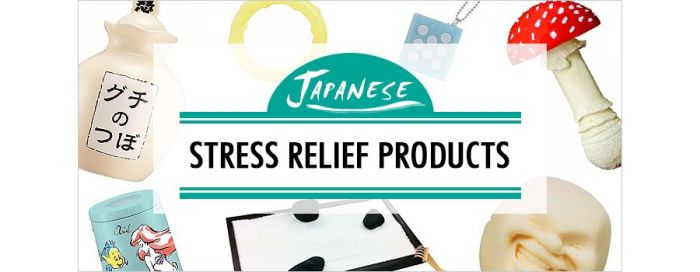
The burgeoning market for stress relief products presents a complex landscape for a new Japanese stress relief spray. Understanding the competitive landscape is crucial for positioning the product effectively and achieving market penetration. Competitors, both direct and indirect, will significantly impact pricing strategies, marketing effectiveness, and ultimately, the product’s success.
Competitive Landscape Overview
The stress relief market is diverse, encompassing aromatherapy sprays, essential oil diffusers, and traditional remedies like herbal teas and meditation apps. Direct competitors include existing brands specializing in similar stress-reducing sprays. Indirect competitors encompass other wellness products and services, like mindfulness apps, yoga studios, or even over-the-counter sleep aids. This broad spectrum necessitates a meticulous competitive analysis to identify unique selling propositions (USPs) that differentiate the Japanese stress relief spray from existing offerings.
Potential Competitors and Their Strengths and Weaknesses
Numerous companies produce stress-relief products. A prominent competitor might be a well-established brand focusing on aromatherapy sprays with a strong online presence and extensive marketing campaigns. Their strength lies in brand recognition and established distribution channels. However, a weakness could be a lack of innovation or responsiveness to evolving consumer preferences, like the increasing interest in Japanese-inspired wellness trends.
Another potential competitor might be a smaller, niche brand specializing in natural ingredients and sustainable packaging. Their strength is their focus on a specific market segment, potentially providing an edge in appeal to environmentally conscious consumers. A weakness could be limited distribution channels and marketing reach.
SWOT Analysis of the Market Landscape
A SWOT analysis reveals the strengths, weaknesses, opportunities, and threats within the market. Strengths in the market might include growing consumer awareness of stress management, the increasing popularity of wellness products, and the growing appeal of Japanese aesthetics. Weaknesses include the presence of various competitors, pricing pressures, and potentially high consumer expectations for effective stress relief. Opportunities exist in tapping into niche markets, like those interested in Japanese cultural wellness trends, and in creating innovative products.
Threats include economic downturns affecting consumer spending and the emergence of new competitors.
Pricing Strategies of Competitors
Competitor pricing strategies vary significantly, from premium pricing for high-end aromatherapy sprays to more competitive pricing for mass-market products. Some competitors might employ a premium pricing strategy to reflect perceived quality or efficacy, while others may adopt a value-based pricing strategy. An analysis of competitor pricing is crucial for establishing a suitable pricing model that balances perceived value with market competitiveness.
Competitor Strategies in Appealing to Target Market
Competitor marketing strategies reflect a variety of approaches. Some focus on highlighting the efficacy of their products, emphasizing the natural ingredients and proven scientific backing. Others employ targeted marketing campaigns, emphasizing specific health benefits. The effectiveness of competitor strategies is contingent upon the nuances of the target audience’s demographics, interests, and purchasing behavior. A critical examination of competitor marketing campaigns is essential to develop a targeted strategy that appeals to the identified target market of the Japanese stress relief spray.
Innovation and Differentiation
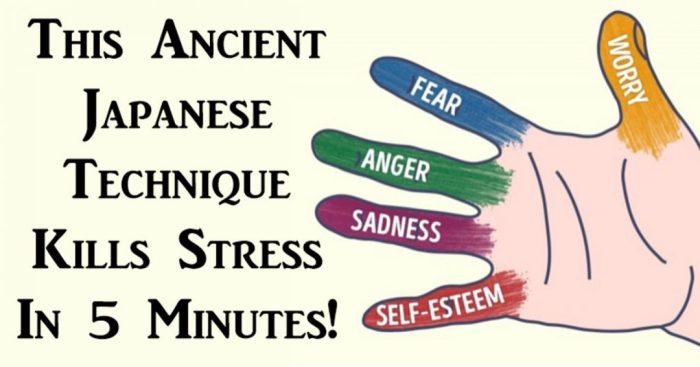
A unique stress relief spray must stand out in a crowded market. This requires a combination of innovative features, targeted technologies, and a compelling brand identity. Differentiation hinges on addressing unmet needs and creating a superior user experience beyond basic stress relief. This section explores innovative approaches to achieve this goal.
Unique Features
The spray’s distinctive features must go beyond simply offering a calming scent. Consider incorporating a variable-intensity spray mechanism, allowing users to adjust the mist’s force and duration. A dual-function design, integrating aromatherapy with a subtle cooling sensation, could further enhance the experience. This combination of sensory inputs creates a more profound and personalized stress-reduction experience. For example, a user experiencing mild stress could benefit from a gentle mist, while someone experiencing a panic attack might find a more powerful spray beneficial.
Innovative Technologies
Integrating innovative technologies like micro-encapsulation can enhance the efficacy of the spray. Encapsulating active ingredients allows for controlled release, extending the stress-relieving effects and potentially improving user absorption. Further, incorporating a subtle vibrational element into the spray bottle could induce a calming, deep-pressure response, similar to acupressure. This can complement the aromatic and tactile aspects of the product, creating a holistic sensory experience.
Emerging Materials and Designs
Exploring innovative materials can contribute to a unique brand identity. Using sustainable and eco-friendly materials like plant-based plastics or recycled aluminum can appeal to environmentally conscious consumers. The bottle design itself can be crafted to be more ergonomic and aesthetically pleasing. Consider a sleek, minimalist design with subtle, integrated lighting or color-changing effects that respond to the user’s stress levels, enhancing the product’s perceived value.
Brand Identity
A strong brand identity is crucial for market differentiation. This includes a memorable logo, a compelling brand story, and consistent visual elements across all marketing materials. The brand story should communicate the product’s unique benefits and resonate with the target audience. For example, the brand could emphasize the connection between nature and well-being, highlighting the use of natural ingredients and sustainable practices.
A unique name, evoking tranquility and serenity, further reinforces the brand’s identity.
Market Differentiation
Standing out in the market requires a multi-faceted approach. Beyond the product’s features, consider creating exclusive partnerships with wellness centers or spas. Offering personalized consultations or exclusive online experiences, like guided meditations tailored to the spray’s aromatherapy, can further enhance the brand’s perceived value. Creating a loyal customer base through a rewards program or a social media community focused on stress management can also foster a sense of belonging and advocacy for the brand.
Closing Notes
This analysis of the Japanese stress relief spray aesthetic reveals a potent blend of cultural sensitivity and modern product design. By understanding the target audience’s motivations and needs, and integrating traditional Japanese design principles with innovative product features, a truly unique and effective stress relief solution can be developed. The key lies in marrying the serenity of Japanese aesthetics with the practicality of a modern stress relief product, creating a compelling and culturally resonant offering.
